
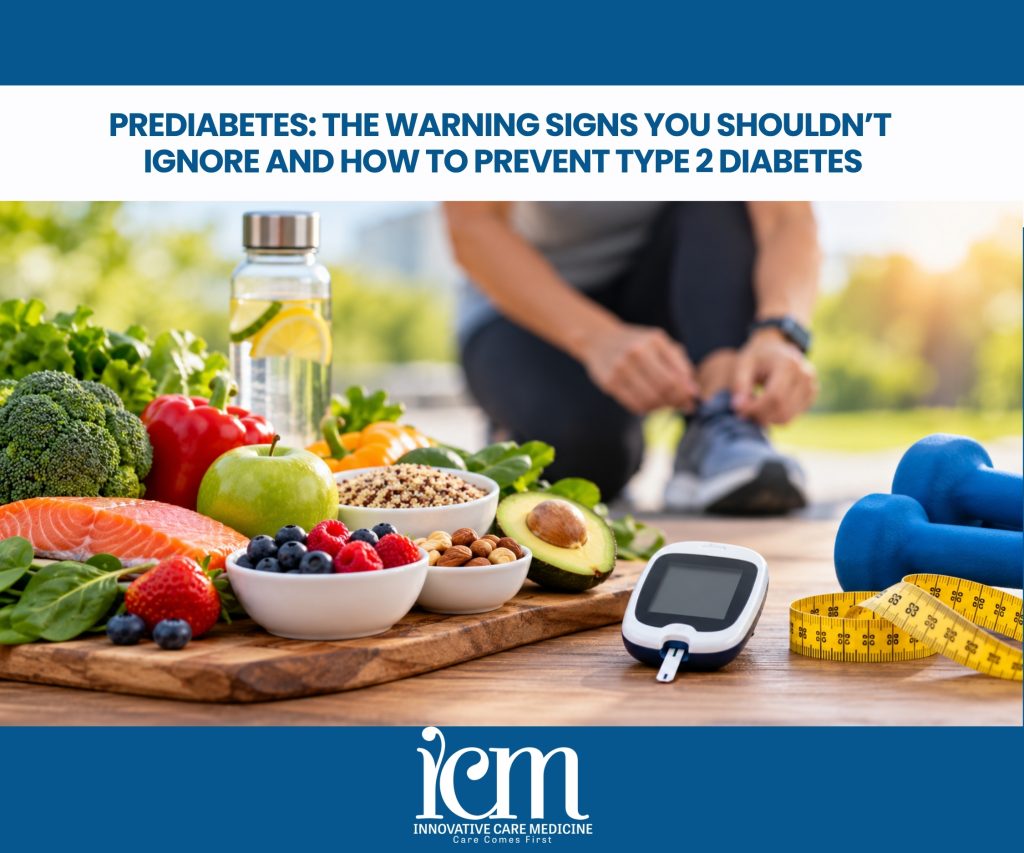
Prediabetes is an important warning sign that blood sugar levels are higher than normal but have not yet reached the threshold used to diagnose type 2 diabetes. Because prediabetes often develops without obvious symptoms, many people may have it for years without realizing their blood sugar is moving in an unhealthy direction.
The good news is that a diagnosis of prediabetes also creates an opportunity to act. Lifestyle changes, weight management when appropriate, regular physical activity, nutritional improvements, and medical monitoring can significantly reduce the risk of progressing to type 2 diabetes.
For patients looking for prediabetes treatment in Corona, CA, Innovative Care Medicine provides medical evaluation, ongoing monitoring, and individualized strategies designed to address blood sugar concerns and the health factors that contribute to diabetes risk.
What Is Prediabetes?
Prediabetes occurs when the body is having difficulty maintaining normal blood glucose levels. It frequently develops as insulin resistance increases.
Insulin is a hormone produced by the pancreas that helps glucose move from the bloodstream into cells, where it can be used for energy. When cells become less responsive to insulin, the pancreas may initially compensate by producing more insulin. Over time, however, blood glucose can begin to rise.
Prediabetes is not the same as type 2 diabetes, but it indicates an increased risk of developing type 2 diabetes and other health problems.
What Blood Sugar Levels Are Considered Prediabetes?
Healthcare providers commonly use several laboratory tests when evaluating a patient for prediabetes.
A1C Testing
An A1C test estimates average blood glucose over approximately the previous two to three months.
Generally:
Normal: below 5.7%
Prediabetes: 5.7% to 6.4%
Diabetes: 6.5% or higher
A diabetes diagnosis generally requires confirmation with repeat testing unless there are clear symptoms of hyperglycemia or another diagnostic criterion is met.
Fasting Plasma Glucose
A fasting blood glucose test measures glucose after an overnight fast.
Generally:
Normal: 99 mg/dL or below
Prediabetes: 100–125 mg/dL
Diabetes: 126 mg/dL or higher
Oral Glucose Tolerance Test
An oral glucose tolerance test measures how effectively the body processes glucose after consuming a glucose-containing beverage.
A two-hour glucose level of 140–199 mg/dL is generally considered within the prediabetes range, while 200 mg/dL or higher can indicate diabetes.
Your healthcare provider can determine which test is most appropriate based on your medical history, symptoms, risk factors, and previous laboratory results.
Prediabetes Often Has No Warning Signs
One of the most important things to understand about prediabetes is that you can feel perfectly healthy and still have it.
Unlike illnesses that produce immediate symptoms, elevated blood sugar can develop gradually. This makes preventive examinations and appropriate laboratory testing particularly valuable for people with diabetes risk factors.
Some people with significant insulin resistance may develop areas of darker, thicker, or velvety skin, particularly around the neck, armpits, or groin. This condition is known as acanthosis nigricans.
However, the absence of visible symptoms does not mean your blood sugar is normal.
Symptoms That May Suggest Blood Sugar Is Getting Higher
When blood glucose rises further and progresses toward diabetes, symptoms may become more noticeable.
Potential warning signs include:
- Increased thirst
- Frequent urination
- Increased hunger
- Unexplained weight loss
- Fatigue
- Blurry vision
- Slow-healing wounds
- Recurrent infections
- Tingling or numbness in the hands or feet
These symptoms can have many possible causes and should not be used to diagnose diabetes without appropriate medical testing.
If you experience significant or persistent symptoms, schedule a medical evaluation.
Who Is at Risk for Prediabetes?
Prediabetes can affect people from many different backgrounds. However, certain factors increase the likelihood of developing insulin resistance and abnormal blood sugar.
Risk factors may include being overweight or having excess abdominal fat, physical inactivity, a family history of type 2 diabetes, a history of gestational diabetes, polycystic ovary syndrome (PCOS), high blood pressure, abnormal cholesterol or triglyceride levels, cardiovascular disease, and increasing age.
Certain racial and ethnic populations also have higher rates of type 2 diabetes, reflecting a complex combination of genetic, socioeconomic, environmental, healthcare access, and other factors.
Having one or more risk factors does not mean that you will develop diabetes. It does mean that discussing appropriate screening with your healthcare provider may be worthwhile.
Why Prediabetes Should Be Taken Seriously
It can be tempting to think of prediabetes as a minor condition because it is not yet diabetes. However, prediabetes indicates that the body’s glucose regulation is already impaired.
Without intervention, some people with prediabetes will eventually develop type 2 diabetes.
Type 2 diabetes can increase the risk of serious long-term complications involving the cardiovascular system, kidneys, nerves, eyes, and other organs.
Addressing elevated blood sugar earlier provides an opportunity to reduce these risks before diabetes develops.
Can Prediabetes Be Reversed?
For many people, blood glucose levels can return to the normal range through appropriate lifestyle changes and, when indicated, medical treatment.
The term “reversed” should be used carefully because returning to a normal A1C does not necessarily mean the underlying tendency toward insulin resistance has permanently disappeared.
Instead, it is helpful to think of prediabetes management as improving metabolic health and keeping blood sugar within a healthier range over the long term.
Continued healthy habits and medical monitoring remain important even after laboratory values improve.
How Can You Prevent Prediabetes From Becoming Type 2 Diabetes?
Preventing or delaying type 2 diabetes usually involves addressing several areas of health rather than focusing on one food, supplement, or temporary diet.
Achieve and Maintain a Healthy Weight
For patients who are overweight, even modest weight loss can improve insulin sensitivity and blood glucose regulation.
The appropriate weight goal varies from person to person. A healthcare professional can help determine a realistic strategy based on your current health, medications, medical conditions, and individual needs.
Increase Physical Activity
Regular exercise helps muscles use glucose and can improve insulin sensitivity.
A combination of aerobic activity and resistance training can be beneficial. Walking, cycling, swimming, strength training, and other activities can all contribute to better metabolic health.
Many adults can work toward at least 150 minutes of moderate-intensity physical activity per week, but exercise recommendations should be individualized when medical conditions or physical limitations are present.
Choose High-Fiber, Nutrient-Dense Foods
A healthy eating pattern for prediabetes does not necessarily require eliminating carbohydrates.
Instead, focus on the quality, quantity, and overall balance of foods you eat.
Vegetables, whole fruits, beans, lentils, whole grains, lean proteins, healthy fats, nuts, seeds, and other minimally processed foods can be incorporated into a balanced eating plan.
Fiber is particularly helpful because it can slow digestion and contribute to better blood glucose regulation.
Limit Added Sugars and Highly Refined Carbohydrates
Sugar-sweetened beverages, desserts, candy, refined grains, and heavily processed foods can make blood glucose management more difficult when consumed frequently or in large amounts.
Water, unsweetened beverages, and nutrient-dense whole foods are generally better everyday choices.
Prioritize Sleep
Sleep and metabolic health are closely connected.
Chronic sleep deprivation can affect appetite regulation, insulin sensitivity, stress hormones, and weight management. Most adults should aim for consistent, adequate sleep while addressing conditions such as insomnia or sleep apnea when present.
Manage Stress
Chronic stress can affect hormones involved in blood glucose regulation and may also make maintaining healthy eating, exercise, and sleep habits more difficult.
Exercise, relaxation techniques, adequate sleep, social support, counseling, and other stress-management strategies may help.
Does Prediabetes Require Medication?
Not everyone with prediabetes needs medication.
Lifestyle intervention is an important part of treatment, but medication may be appropriate for selected patients, particularly those at higher risk of progressing to type 2 diabetes.
Metformin is one medication that may be considered for certain adults with prediabetes. Whether medication is appropriate depends on factors such as A1C, fasting glucose, age, weight, previous gestational diabetes, kidney function, and overall diabetes risk.
Medication should be prescribed and monitored by a qualified healthcare professional.
Why Individualized Prediabetes Treatment Matters
Prediabetes is not simply a blood sugar number.
A comprehensive evaluation may consider blood pressure, cholesterol, triglycerides, weight, waist circumference, medications, family history, sleep, nutrition, physical activity, cardiovascular risk, and other medical conditions.
This broader approach can identify factors contributing to insulin resistance while helping patients make sustainable changes.
At Innovative Care Medicine, patients seeking prediabetes treatment in Corona, CA, or the surrounding Riverside area can receive individualized medical guidance rather than relying on generalized diet plans or temporary solutions.
How Often Should Prediabetes Be Monitored?
Follow-up frequency depends on your initial laboratory results, overall health, treatment plan, and individual risk.
Your healthcare provider may periodically repeat an A1C, fasting glucose, or other laboratory testing to determine whether your blood sugar is improving, remaining stable, or progressing.
Prediabetes should not simply be diagnosed and forgotten. Regular monitoring provides valuable information about whether your prevention strategy is working.
Prediabetes Is an Opportunity to Act Early
Hearing that you have prediabetes can be concerning, but it also means there is time to intervene.
You do not need to wait until your blood sugar reaches the diabetes range before making meaningful changes.
Knowing your numbers, understanding your individual risk factors, improving nutrition and physical activity, maintaining a healthy weight, and working with a healthcare professional can all help reduce your risk of developing type 2 diabetes.
If you have been told that your blood sugar or A1C is elevated—or if diabetes runs in your family—consider scheduling an evaluation with Innovative Care Medicine.
Prediabetes Frequently Asked Questions
Is prediabetes the same thing as diabetes?
No. Prediabetes means blood glucose is above the normal range but has not reached the diagnostic threshold for diabetes. It is an important warning sign because it indicates an increased risk of eventually developing type 2 diabetes.
Can I have prediabetes without knowing it?
Yes. Prediabetes frequently causes no noticeable symptoms. Blood testing is often the only way to identify it.
What A1C level means I have prediabetes?
An A1C between 5.7% and 6.4% is generally considered within the prediabetes range. An A1C of 6.5% or higher can indicate diabetes, typically requiring confirmation unless other diagnostic criteria are present.
Does a 5.7% A1C mean I will develop diabetes?
No. An A1C of 5.7% is within the prediabetes range, but progression to type 2 diabetes is not inevitable. Appropriate lifestyle changes and medical management can substantially reduce risk.
Can prediabetes go away?
Blood glucose can return to a normal range in many people, particularly after improvements in weight, nutrition and physical activity. Continued healthy habits and monitoring remain important because the underlying risk can persist.
How quickly can prediabetes become diabetes?
There is no universal timeline. Some people remain in the prediabetes range for years, some return to normal glucose levels, and others progress to type 2 diabetes. Individual risk depends on genetics, weight, activity level, diet, age, metabolic health, and other factors.
What foods should I avoid if I have prediabetes?
There is usually no need to label individual foods as completely forbidden. However, reducing sugar-sweetened beverages, added sugars, highly refined carbohydrates, and heavily processed foods can be beneficial. A balanced eating pattern emphasizing vegetables, fiber-rich carbohydrates, appropriate portions, healthy fats, and protein is generally preferable.
Do I have to stop eating carbohydrates?
No. Carbohydrates are not automatically unhealthy, and completely eliminating them is unnecessary for most people. The type and portion of carbohydrate, as well as what it is eaten with, can affect blood glucose.
Can losing weight lower my A1C?
For people who are overweight or have obesity, weight loss can improve insulin sensitivity and may lower A1C and fasting glucose. Even modest, sustainable weight loss can provide metabolic benefits.
Is walking good for prediabetes?
Yes. Regular walking can increase physical activity, help muscles use glucose, support weight management, and improve cardiovascular health. Some people also find that taking a short walk after meals helps incorporate activity consistently into their routine.
Can stress raise blood sugar?
Yes. Stress hormones can influence glucose regulation. Chronic stress can also indirectly affect blood sugar by disrupting sleep, eating habits, physical activity, and weight management.
Can lack of sleep contribute to prediabetes?
Insufficient or poor-quality sleep is associated with metabolic changes that can affect insulin sensitivity, appetite, and weight. Sleep should therefore be considered part of an overall diabetes-prevention strategy.
Do people with prediabetes need to check their blood sugar every day?
Not necessarily. Routine home glucose monitoring is not required for every person with prediabetes. Your healthcare provider can determine whether home monitoring would provide useful information in your particular situation.
Should I take medication for prediabetes?
Medication is appropriate for some higher-risk patients but not everyone. A healthcare provider should evaluate your laboratory results, medical history, weight, age, kidney function, pregnancy history, and other risk factors before recommending medication.
How often should my A1C be checked if I have prediabetes?
The appropriate interval depends on your individual situation. Your healthcare provider may recommend periodic A1C or glucose testing based on your results, risk factors, and treatment plan.
Can prediabetes affect my heart?
Prediabetes commonly occurs alongside other cardiovascular risk factors, including high blood pressure, abnormal cholesterol, excess weight, and insulin resistance. Managing overall cardiovascular health is therefore an important component of prediabetes care.
When should I see a doctor about possible prediabetes?
Consider discussing screening with a healthcare provider if you have risk factors for type 2 diabetes, have previously had an elevated blood glucose or A1C result, or develop symptoms such as excessive thirst, frequent urination, unexplained weight loss, or persistent fatigue.
Where can I find prediabetes treatment in Corona, CA?
Innovative Care Medicine provides medical care for patients in Corona and Riverside, California. Patients concerned about elevated blood sugar, insulin resistance, or their risk of type 2 diabetes can schedule an evaluation to discuss testing, lifestyle strategies, monitoring, and appropriate treatment options.
Contact Information
Innovative Care Medicine
📍 Corona Location
818 Magnolia Ave., Ste. #201
Corona, CA
📍 Riverside Location
9493 Garfield St.
Riverside, CA
📞 Call us at (951) 356-9992
🌐 Visit us at innovativecaremed.com